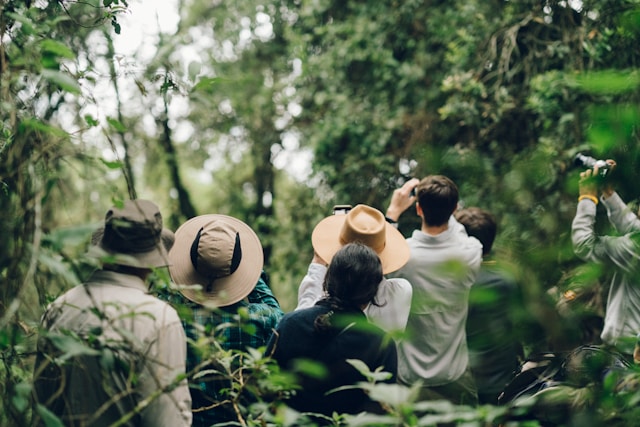
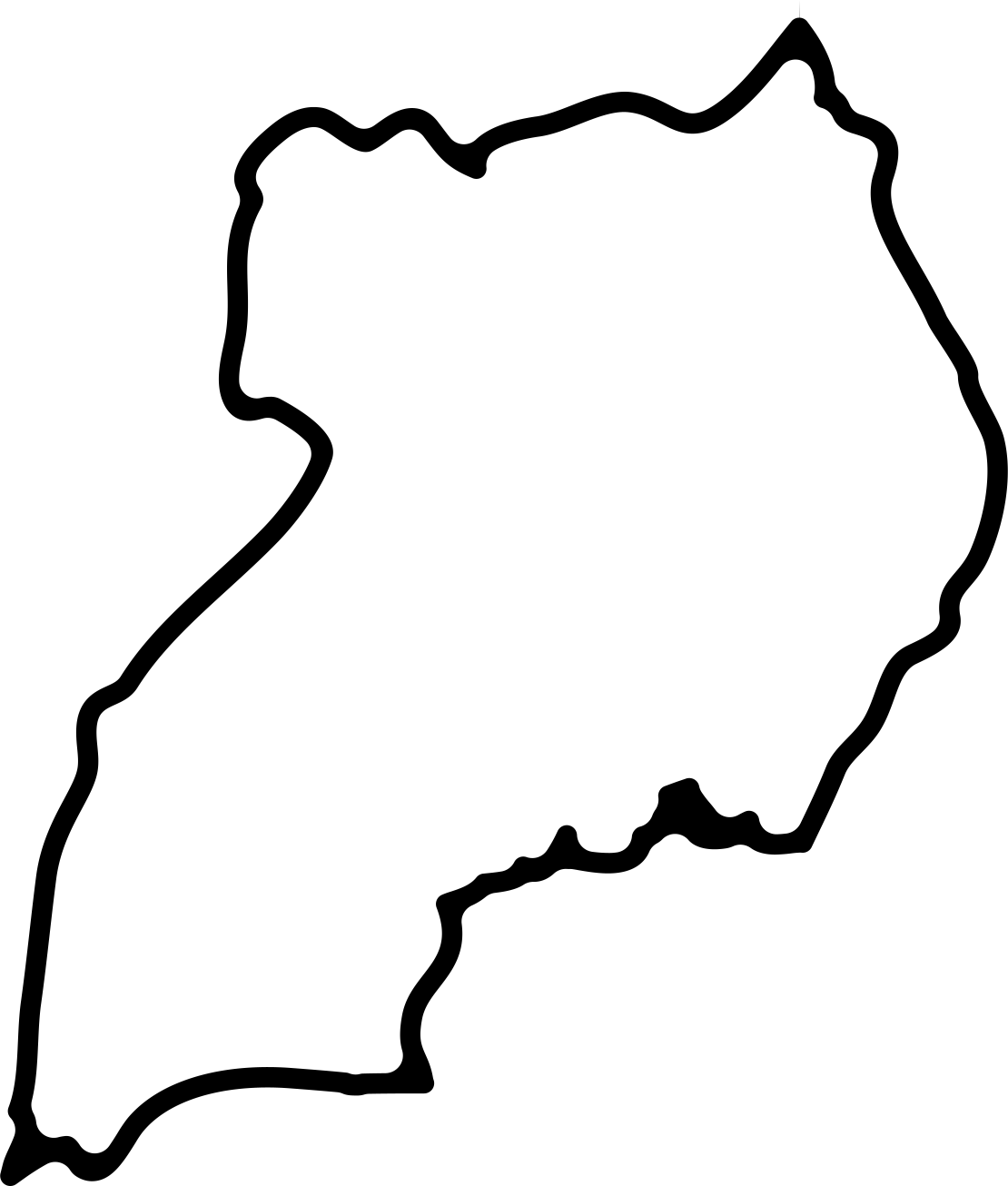
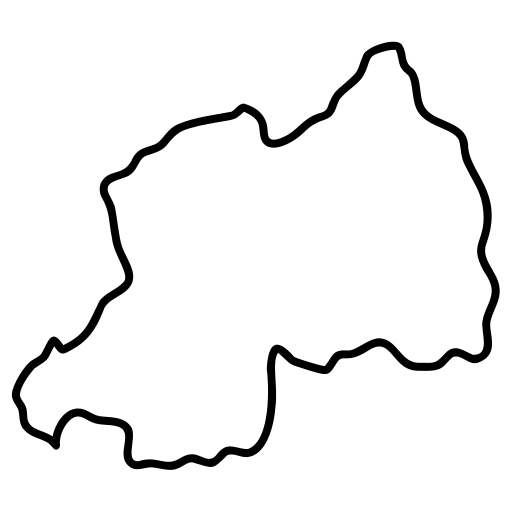
If you want an African adventure that feels powerful and deeply personal, Uganda and Rwanda offer some of the most unforgettable wildlife experiences on the continent. Best known for gorilla trekking, these two remarkable destinations invite you into a very different side of Africa.
Uganda and Rwanda deliver something truly special, whether you’re drawn by the once-in-a-lifetime thrill of seeing mountain gorillas, the chance to track chimpanzees through the forest, or a journey that goes beyond the expected safari circuit.
Why Uganda & Rwanda?
Gorilla Trekking
One of the most moving and memorable wildlife experiences in the world.
Beyond the Classic Safari
Perfect for travellers looking for something more unusual and emotionally powerful.
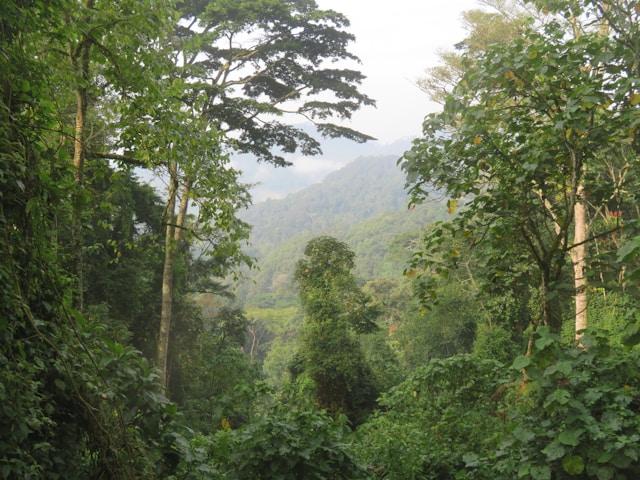
Beautiful, Forested Landscapes
Volcanoes, mountain scenery, lakes, rainforest, and rolling green hills.
Primates and Biodiversity
These destinations are full of life, from gorillas and chimpanzees to rich birdlife and unique ecosystems.
Ideal for Bucket-List Travel
A perfect fit for milestone trips, honeymoons, or travellers seeking something truly extraordinary.
Our Take
Rather than ticking off the usual safari checklist, Uganda & Rwanda are about stepping into a completely different rhythm of travel – quieter, more intimate, and often far more emotional than people expect.
There is something incredibly humbling about locking eyes with a mountain gorilla in the wild. It’s the kind of experience that stays with you forever. And while gorilla trekking may be the headline, both countries have so much more to offer when woven into a well-planned journey.
For sheer emotional impact, few travel experiences come close to seeing gorillas in the wild.
Best Time to Visit Uganda & Rwanda
June - August, December - February
High season (typically June to August and December to February) is the most popular time to visit Uganda and Rwanda, especially if gorilla or chimpanzee trekking is the main focus of your trip. Forest trails in places like Bwindi Impenetrable Forest, Volcanoes National Park, and Kibale Forest are usually drier and easier underfoot, making trekking conditions more comfortable overall.
This is also an excellent time to combine primate experiences with more traditional safari in areas like Queen Elizabeth National Park, where drier conditions can help with wildlife viewing. Because permits, lodges, and the best trekking bases can be in high demand, this is the time of year when planning well ahead matters most.
April - May, October - November
Low season (usually April to May and October to November) brings greener landscapes, fewer travellers, and a softer, more atmospheric feel across both Uganda and Rwanda. The forests are especially beautiful at this time, and for some travellers, that only adds to the magic of the experience.
The trade-off is that trekking can be muddier and more physically demanding, particularly in Bwindi and Volcanoes National Park, where steep, forested terrain becomes more slippery after rain. Some safari areas can also feel less predictable for wildlife viewing, but if you don’t mind a little more adventure, this can be a very rewarding time to travel, especially for those looking for fewer people and better value.
March, September
Shoulder season (often around March and September) can offer a very appealing balance of good trekking conditions, fewer visitors, and slightly more flexibility in both availability and pricing. It can also work well for travellers combining primates with Queen Elizabeth National Park or a more scenic, slower-paced itinerary through the region.
Is Uganda & Rwanda Right for You?
Uganda and Rwanda are ideal if you:
dream of seeing mountain gorillas in the wild
want an African trip that feels unusual and deeply memorable
enjoy active, immersive travel
are planning a bucket-list honeymoon or milestone adventure
want something beyond the classic safari experience
Uganda and Rwanda may not be the best fit if you:
are looking for a more traditional, vehicle-based safari throughout
don’t enjoy walking or active experiences
lack the physical fitness required for a gorilla trek
want the lowest-cost African adventure
Where to Go
Bwindi Impenetrable Forest
A UNESCO World Heritage Site and home to nearly half the world’s mountain gorillas, as well as 120+ mammals (including 11 primates), 350+ birds, and various rare butterflies.
Kibale Forest
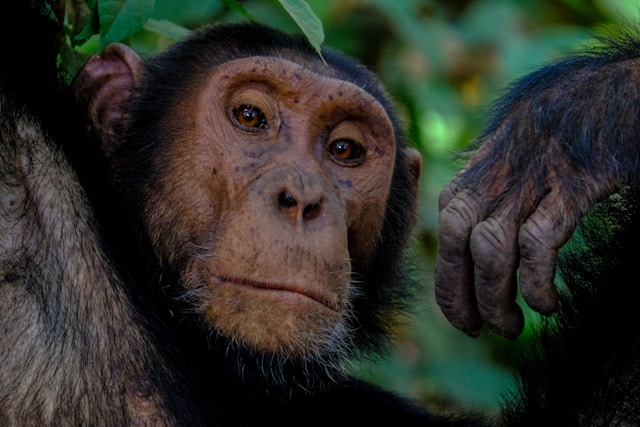
Africa’s primate capital, with the continent’s highest diversity and density of primates, including around 1,500 chimpanzees.
Queen Elizabeth National Park
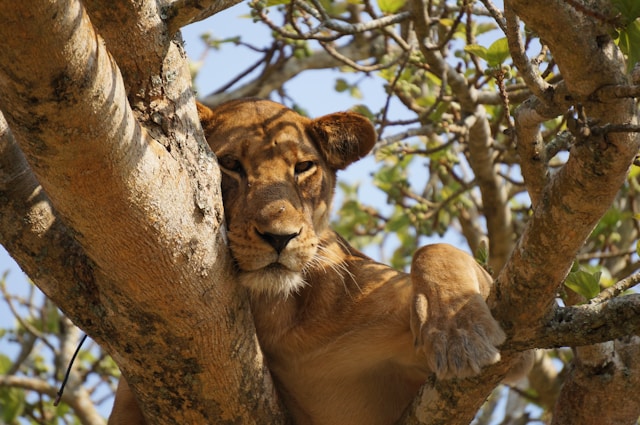
A wonderful addition in Uganda for travellers wanting to combine primates with more traditional safari and beautiful scenery. Also well-known for its tree-climbing lions!
Murchison Falls
One of the world's most powerful waterfalls and the crown jewel of Murchison Falls National Park, Uganda’s oldest and largest national park.
Volcanoes National Park
Rwanda’s famous gorilla trekking destination comprising 160 square km of rainforest. Home to over a third of the world’s mountain gorillas and five incredible volcanoes
Lake Kivu
One of Africa’s Great Lakes (its sixth largest and third deepest), perfect for adding relaxation and a softer finish to a gorilla-focused itinerary.
Your Uganda & Rwanda Adventure Starts Here
Speak to our Africa experts and let’s create your gorilla trekking adventure.
To provide the best experiences, we use technologies like cookies to store and/or access device information. Consenting to these technologies will allow us to process data such as browsing behavior or unique IDs on this site. Not consenting or withdrawing consent, may adversely affect certain features and functions.
Functional
Always active
The technical storage or access is strictly necessary for the legitimate purpose of enabling the use of a specific service explicitly requested by the subscriber or user, or for the sole purpose of carrying out the transmission of a communication over an electronic communications network.
Preferences
The technical storage or access is necessary for the legitimate purpose of storing preferences that are not requested by the subscriber or user.
Statistics
The technical storage or access that is used exclusively for statistical purposes.The technical storage or access that is used exclusively for anonymous statistical purposes. Without a subpoena, voluntary compliance on the part of your Internet Service Provider, or additional records from a third party, information stored or retrieved for this purpose alone cannot usually be used to identify you.
Marketing
The technical storage or access is required to create user profiles to send advertising, or to track the user on a website or across several websites for similar marketing purposes.